By Carolyn Enow-Pluchino and Elizabeth Richmond, Co-Directors of the Associate Teacher Program, Hackley School
Carolyn’s Journey With Educational Mentorship
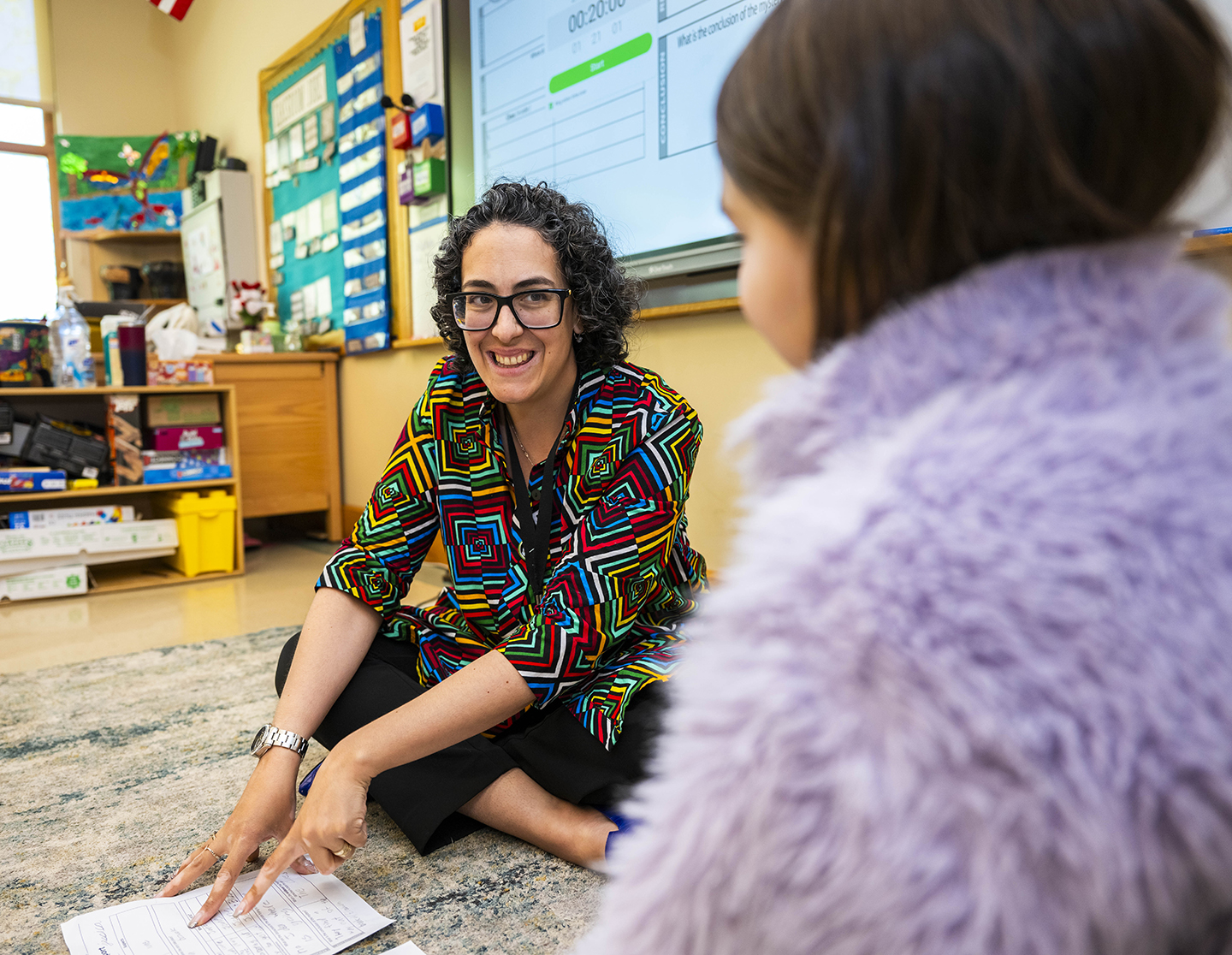 I always remember how nervous I was on my first day of teaching. I walked into the classroom, seeing 25 fifth grade faces looking up at me and feeling that I had a responsibility to help these students believe in themselves.
Teachers are often on the front lines of supporting students and ensuring that they grow. However, we are often faced with the question: Who do teachers turn to when they need support in the classroom?
While I didn’t have a formal mentor during my first teaching experience in Kenya, I was fortunate to befriend a senior teacher who graciously supported, encouraged and guided me during that first year. To this day, she remains a dear friend and taught me the power of relationships and the idea that we can build more, together.
That belief lives at the heart of the Associate Teacher Program. Mentorship in our program is deeply reciprocal. On a daily basis, associate teachers and lead teachers work together and learn from one another. This is the power of mentorship: it is not a one-way street.
Within our program, teachers collaborate to build curriculum, lean on one another to address student challenges, and create a classroom culture rooted in collaboration and mutual respect. This approach sets the tone for student learning, where everyone comes to understand that together, there is always more to learn.
Elizabeth’s Path to Mentorship and Growth as an Educator
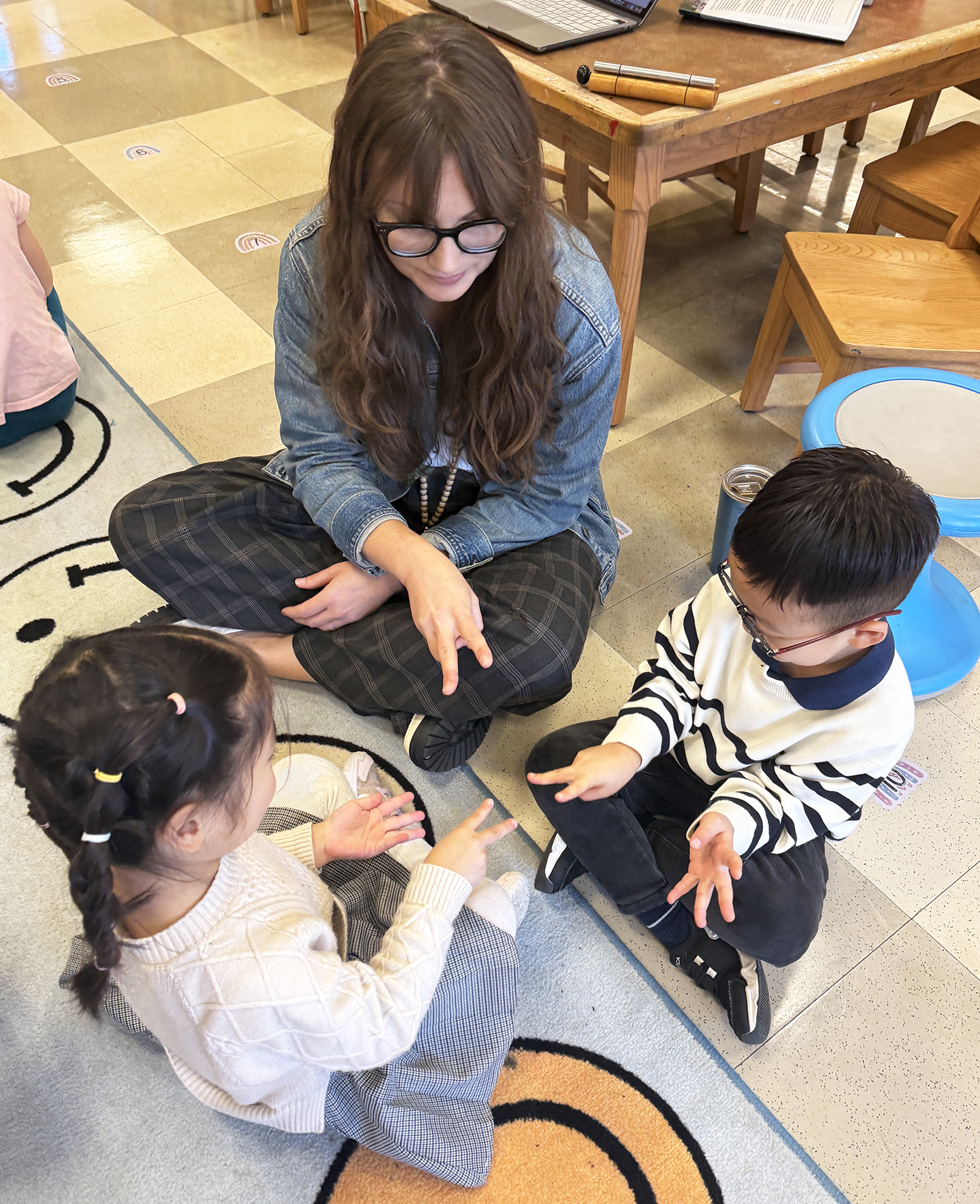
When I started teaching, it was over 20 years ago in Northern California. I was thrown into a classroom with very little support. In my second year, just 15 days into the school year, I was forced to move schools. In California at the time, districts were allowed to shift class numbers and move teachers based on need to ensure classes were filled to capacity.
This meant leaving a classroom where I had already begun building relationships, routines and curriculum, and starting again across town with 34 fourth and fifth grade students. Yes, I taught two grade levels at once.
In those early years, I learned a LOT. I joined every committee I could and took on multiple extracurricular roles, from morning intervention to conflict manager coordinator and student council leader. I saw a need for teachers to serve as leaders, especially when I felt a lack of support from administration.
There were a few teachers who stepped in to help me, sharing curriculum and offering guidance as I developed my classroom management skills. I considered pursuing a second master’s in administration that year but ultimately decided to focus on becoming a stronger teacher, trusting that opportunities to lead would come in time.
Then came Hackley. After my first year, the opportunity to apply to become an Associate Teacher Program co-director became available, and I jumped at the chance. My varied experiences across different types of schools prepared me to support newer teachers while also helping lead teachers grow as coaches and mentors.
Collaboration Opportunities Within the Program
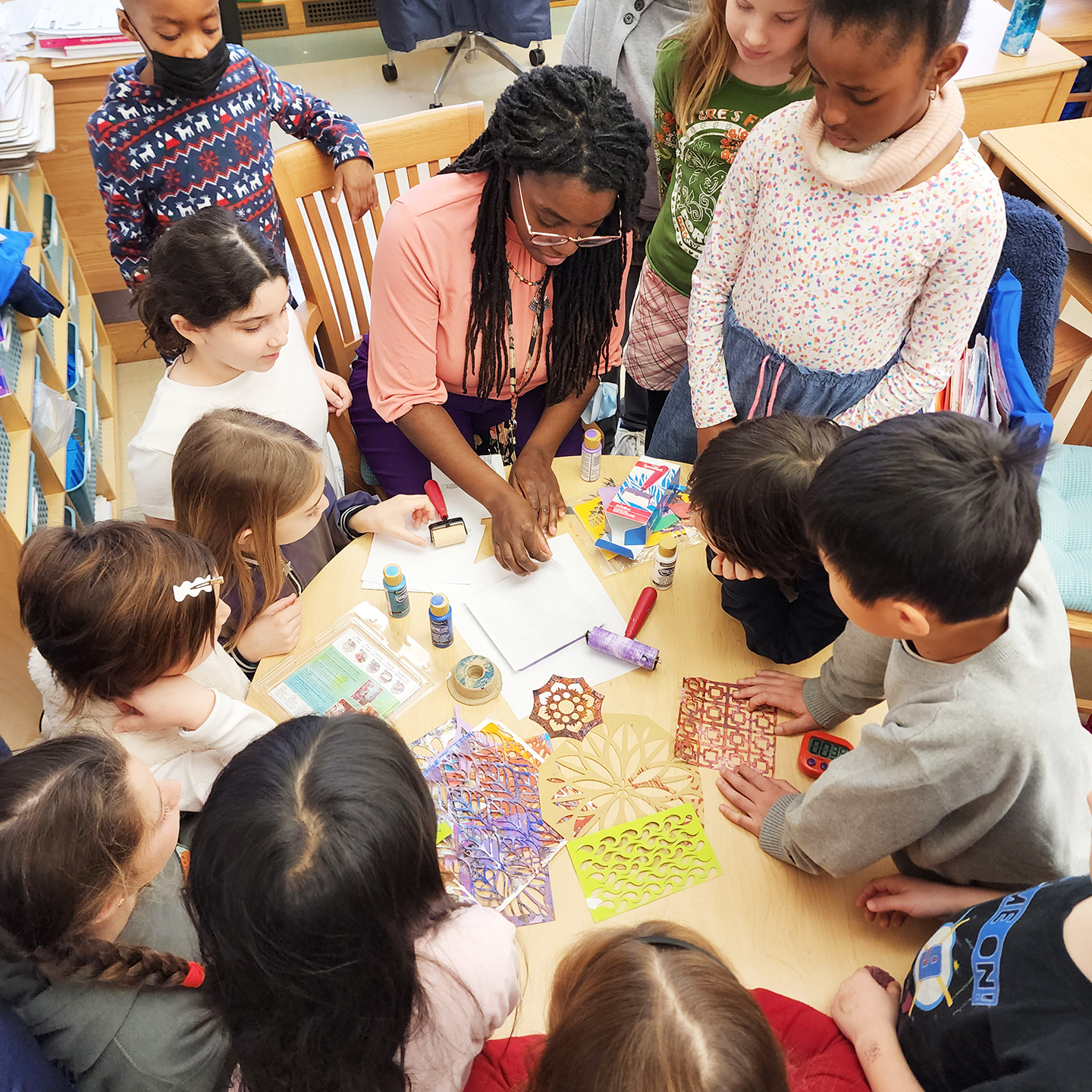 With two teachers working together in the classroom, collaboration becomes more dynamic and intentional. Lead and associate teachers share responsibility for planning, instruction and classroom management, creating environments that are both structured and flexible.
Students benefit from multiple adults who are equally invested in their growth. They experience diverse teaching styles, increased individual attention, and a cohesive classroom culture grounded in trust, inclusion and engagement. This collaborative model strengthens the classroom community and the learning that takes place within it.
Using Mentorship to Support the Next Generation of Teachers
At Hackley, we embody the philosophy of doing more, together by using a coaching-based mentorship model. We work individually with each associate teacher to identify a professional goal for the year and to discuss what they would like us to focus on during classroom observations. This gives associate teachers autonomy to tailor their learning and ensures the partnership supports areas of growth identified by the associate teachers themselves.
Post-observation debriefs are conversation-driven and include both the lead and associate teacher. This approach allows teaching partners to continue working together toward a shared goal long after the observation ends and reinforces the philosophy of "United, We Help one Another.”
Community-building and professional growth also come together during monthly associate teacher meetings. Once a month, we come together to explore a variety of topics driven by associate teacher interests and lead teacher feedback. Sessions may be led by the co-directors or by invited specialist speakers and also highlight the strengths and passions within the cohort. From beginning meetings with breathing exercises to leading interactive theater games that can be used in the classroom, we continue to learn and grow from one another. These moments remind us that teaching is not only what happens in front of students, but what grows between educators, proving that it truly is more, together.
 About the authors:
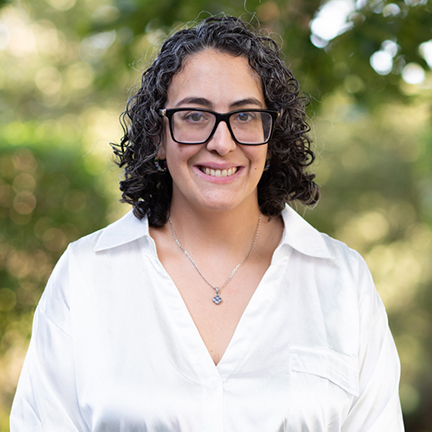
Carolyn is a third grade teacher and has been the co-director of the Associate Teacher Program for four years. She has been teaching for over 15 years and began her teaching career in fifth grade at the International School of Kenya in Nairobi, Kenya. She is also a parent to two Hackley students, Amora in seventh grade and Becka in third.
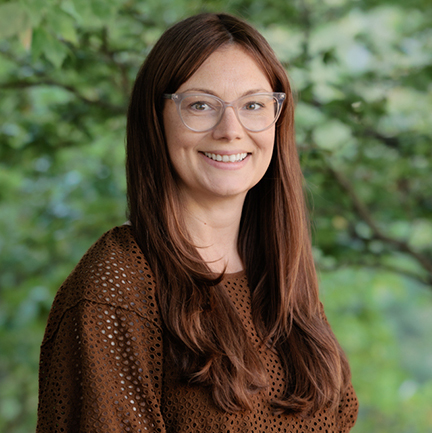
Elizabeth is a kindergarten teacher and has been the co-director of the Associate Teacher Program for five years. She has been teaching for over 20 years and has taught K-5, minus first grade. She began her career in California, where she was born and raised, and moved to New York almost 16 years ago. She now lives in Nyack with her family.